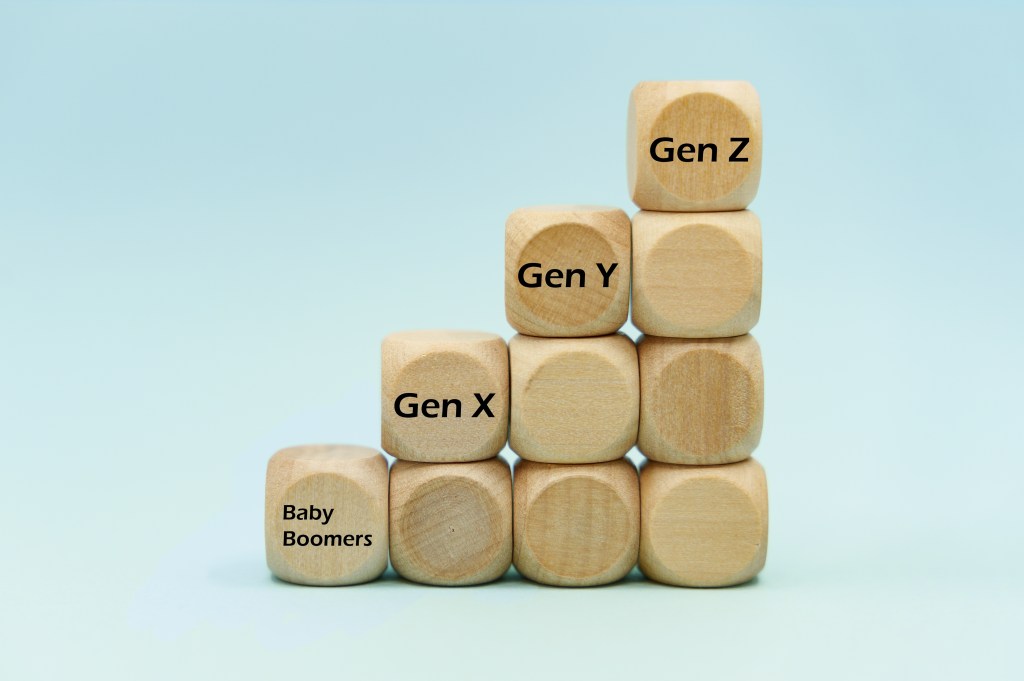
We often talk about “breaking toxic patterns” as if those patterns appeared out of nowhere—bad habits we picked up, poor choices we made, or traits we need to fix. But many of the behaviors people struggle with in adulthood didn’t start with them. They were learned, modeled, and survived in childhood—often across generations.
Generational trauma refers to emotional wounds, coping strategies, and belief systems passed down from one generation to the next. Sometimes this transmission is obvious—stories of abuse, addiction, displacement, or loss. Other times, it’s subtle and unspoken, woven into family rules, emotional climates, and expectations that were never questioned.
Trauma Isn’t Just What Happened—It’s What Was Missing
When we think of childhood trauma, we often focus on overt harm. But trauma can also come from what didn’t happen:
• Emotional attunement
• Consistent safety
• Repair after conflict
• Permission to express needs
• Feeling seen or protected
Children adapt to survive their environment. If a child grows up in a household where emotions are dismissed, punished, or ignored, they may learn to shut down, people-please, or stay hyper-alert to others’ moods. These adaptations make sense in childhood—but they often become toxic patterns in adulthood.
How Toxic Patterns Are Formed
Toxic patterns aren’t character flaws. They are nervous system responses shaped by early experiences.
Common patterns rooted in childhood trauma include:
• Hyper-responsibility: Feeling responsible for others’ emotions or outcomes
• People-pleasing: Prioritizing safety through approval rather than authenticity
• Avoidance or emotional numbing: Disconnecting to prevent overwhelm
• Chronic self-doubt or shame: Internalizing criticism or emotional neglect
• Difficulty with boundaries: Confusing love with self-sacrifice
• Repeating unhealthy relationships: Recreating familiar dynamics, even painful ones
When these patterns are passed down, they often show up as family norms:
• “We don’t talk about feelings.”
• “You have to be strong.”
• “Family comes first, no matter the cost.”
• “What happens in this house stays in this house.”
These messages are rarely malicious. They often originate from caregivers who were themselves doing the best they could with limited tools.
The Role of the Nervous System
Generational trauma is not just psychological—it’s physiological.
Children raised in chronic stress environments often develop nervous systems that are:
• Hyper-vigilant (always scanning for danger)
• Dysregulated (swinging between shutdown and overwhelm)
• Conditioned to associate connection with threat or instability
As adults, this can look like:
• Feeling unsafe during calm or healthy relationships
• Overreacting to perceived rejection
• Difficulty resting or trusting
• Feeling “too much” or “not enough” at the same time
Without awareness, the nervous system continues responding to the present as if it were the past.
Why Insight Alone Isn’t Enough
Many people intellectually understand their trauma history yet feel frustrated when patterns persist. This is because trauma lives not only in memory, but in the body, attachment system, and emotional learning.
Healing generational trauma requires more than knowing why you are the way you are. It involves:
• Learning emotional regulation and nervous system safety
• Practicing boundaries without excessive guilt
• Developing self-compassion instead of self-criticism
• Allowing grief for what was lost or never received
• Creating new relational experiences that challenge old beliefs
This work is slow, layered, and deeply courageous.
Breaking the Cycle Is Not About Blame
Acknowledging generational trauma does not mean blaming parents or caregivers. It means recognizing context.
Many caregivers passed down patterns because:
• They were never taught emotional skills
• They survived their own trauma
• They believed control or silence equaled safety
• They lacked support, resources, or healing opportunities
Breaking the cycle means choosing awareness where there was once autopilot.
What Healing Can Look Like
Healing generational trauma doesn’t mean becoming perfect or erasing the past. It often looks like:
• Pausing instead of reacting
• Choosing different responses than what was modeled
• Naming emotions without judgment
• Setting boundaries while staying connected to yourself
• Parenting or relating with more intention
• Allowing yourself to feel anger, sadness, and relief simultaneously
Most importantly, it looks like offering yourself the compassion you may not have received.
A Gentle Reframe
If you recognize yourself in these patterns, it doesn’t mean you are broken.
It means you adapted.
It means your nervous system learned how to survive.
And it means you now have the opportunity to choose something different.
Healing generational trauma is not about rejecting your family—it’s about honoring your story by refusing to pass the pain forward.
And that, in itself, is a powerful act of healing.
 Winora's Hope Counseling: Gurnee Mental Health Service
Leave a comment